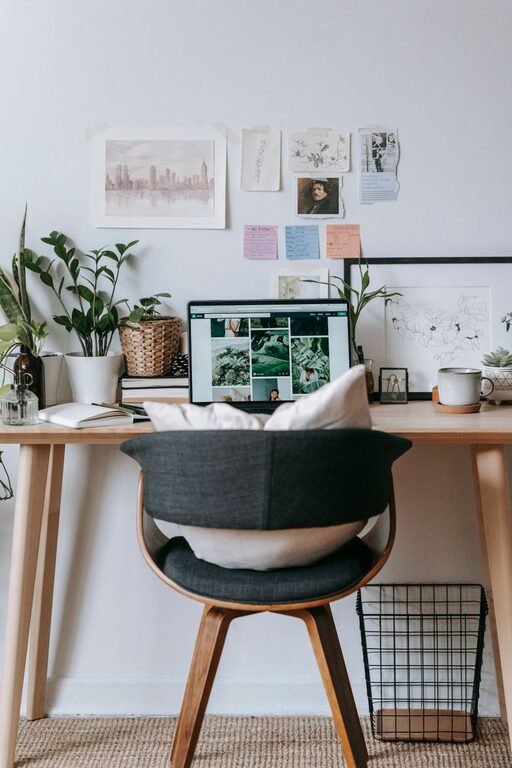




Creating a productive home office space is essential for anyone working remotely or managing tasks from home. A well-organized and thoughtfully arranged workspace can improve focus, reduce distractions, and make your workday more enjoyable. Whether you have a dedicated room or a small corner, these tips will help you design a home office that keeps you motivated and efficient.
1. Choose the Right Location
Consider Natural Light
Natural light can boost your mood and energy throughout the day. Position your desk near a window if possible, but avoid glare on your computer screen. If natural light is limited, invest in good quality lighting that mimics daylight to reduce eye strain.
Minimize Noise and Distractions
Find a quiet spot where interruptions are minimal. Consider noise-canceling headphones or a white noise machine if ambient noise is unavoidable. Inform household members of your working hours to help maintain focus.
2. Select Functional Furniture
Invest in a Comfortable Chair
Ergonomics matter. Choose a chair that supports your lower back and encourages good posture. Comfort is important for long work sessions, and a good chair can help prevent pain and fatigue.
Opt for a Suitable Desk
Your desk should offer enough space for your computer, paperwork, and accessories without feeling cluttered. Adjustable desks are popular for switching between sitting and standing positions, which benefits health and concentration.
3. Organize Your Workspace Efficiently
Declutter Regularly
Remove unnecessary items from your desk at the end of each day. Keeping only essentials nearby prevents distractions and creates a clean environment which promotes productivity.
Use Storage Solutions
Make use of shelves, drawers, and filing cabinets to keep documents and office supplies organized and out of sight. Labeling storage boxes and folders can save time when searching for materials.
Arrange Tools for Easy Access
Keep frequently used items like pens, notebooks, and chargers within reach. Use desk organizers or trays to keep these tools neat and accessible.
4. Personalize Your Environment
Add Inspiring Elements
Incorporate art, plants, or photos that make you feel relaxed and motivated. Plants can improve air quality and create a calming atmosphere.
Balance Professional and Personal Touches
While personalization is important, maintain a balance so your space remains professional and functional. Avoid cluttering the desk with too many decorations.
5. Create a Schedule and Boundaries
Set Consistent Work Hours
Having regular work hours helps separate work time from personal time, reducing burnout and improving focus.
Define Work and Break Times
Plan breaks to stretch, move, and rest your eyes. Short, frequent breaks can increase productivity and refresh your mind.
6. Optimize Technology and Connectivity
Organize Cords and Cables
Tidy cables with clips or sleeves to prevent tangling and hazards. A clean cable setup improves the appearance and functionality of your workspace.
Ensure Reliable Internet
A strong internet connection is critical for remote work. Position your router nearby or use a wired connection if possible to avoid interruptions.
Keep Software and Hardware Updated
Make sure your computer, printer, and other devices are up to date to prevent technical issues during work hours.
7. Maintain Cleanliness
Set a Cleaning Routine
A clean workspace promotes better focus and reduces stress. Wipe down surfaces regularly and take time to tidy up cables, trash, and clutter.
Manage Air Quality
Ventilate your workspace regularly or use an air purifier to keep fresh air circulating.
Conclusion
Organizing a productive home office space is about creating an environment that supports your work habits and personal comfort. By selecting the right location, investing in ergonomic furniture, decluttering efficiently, and personalizing thoughtfully, you can establish a workspace that enhances your productivity and enjoyment. Remember to maintain your space with regular cleaning and technology upkeep, and set clear boundaries to maintain a healthy work-life balance.
A well-organized home office not only helps you stay focused but also boosts your overall wellbeing, turning your daily work into a more pleasant and effective experience.