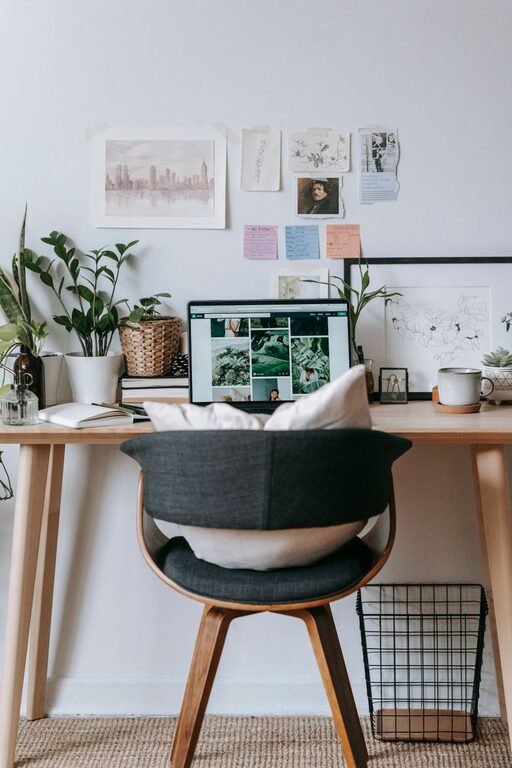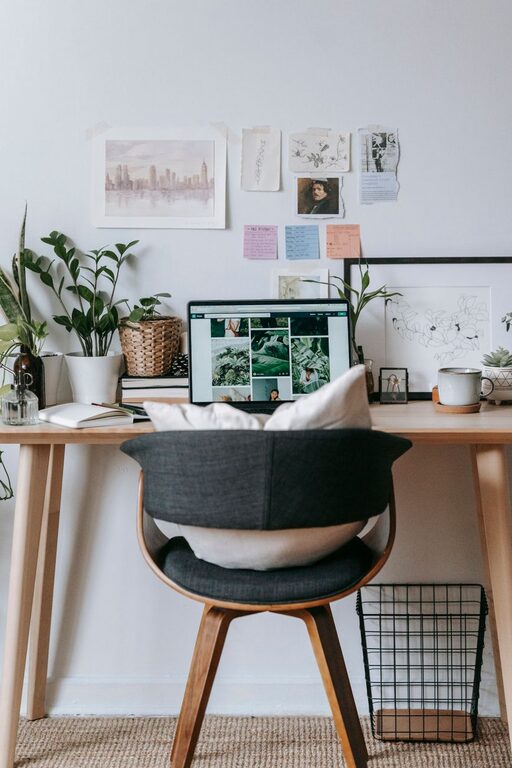




Creating a relaxing home workspace is essential for maintaining productivity and feeling balanced during your workday. Whether you are working remotely full-time or occasionally need a quiet spot at home, designing a space that reduces stress and invites focus can make a big difference. In this post, we’ll explore practical tips to help you create a calming and efficient home office environment.
Why a Relaxing Workspace Matters
A workspace isn’t just where you complete tasks; it also influences your mood and concentration levels. A cluttered or noisy area can increase stress and distract you from your responsibilities. Conversely, a well-organized, tranquil workspace can improve mental clarity, reduce fatigue, and support sustained productivity.
Here are some key steps to creating a relaxing workspace that fits your needs.
Choose the Right Location
Find a Quiet Spot
Pick a space in your home where you can minimize interruptions. This might be a spare room, a corner in the living room, or even a section of your bedroom. The goal is to find a place where noise and distractions are limited.
Consider Natural Light
Natural daylight can boost your energy and mood. Whenever possible, position your desk near a window to take advantage of sunlight. If natural light isn’t available, invest in full-spectrum or daylight-simulating lamps.
Invest in Comfortable Furniture
Ergonomic Chair and Desk
Comfort impacts your ability to focus for long periods. Look for an ergonomic chair that offers good back support and a desk at a comfortable height. Adjust your chair and desk so your feet rest flat on the floor and your arms are level with the desk surface.
Add Supportive Accessories
If needed, use a footrest, wrist pads, or monitor stands to encourage good posture and reduce strain. These small additions help make your workspace physically comfortable.
Keep Your Space Organized
Declutter Regularly
A cluttered desk can compete for your attention and increase stress. Maintain a clean, tidy workspace by removing unnecessary items at the end of each day.
Use Storage Solutions
Incorporate shelves, drawers, bins, or organizers to keep supplies and documents out of sight but within reach. Label containers to quickly find items when needed.
Personalize to Create a Calming Atmosphere
Choose Soothing Colors
Colors influence mood. Soft blues, greens, and neutral tones are known to have calming effects. Consider decorating your walls or desk accessories in these shades.
Add Plants or Natural Elements
Plants improve air quality and bring a touch of nature indoors. A small potted plant or vase of fresh flowers can soften the space and reduce stress.
Include Personal Touches
Photos, artwork, or meaningful objects can help make the space feel welcoming. Just be mindful not to overcrowd your workspace.
Minimize Distractions
Manage Technology Use
Turn off non-essential notifications on your devices during work hours. Use apps or settings that block distracting websites if necessary.
Control Noise Levels
If your space is noisy, consider using white noise machines or noise-canceling headphones. Background music without lyrics can also help improve focus for some people.
Improve Air Quality and Lighting
Ventilate the Room
Fresh air helps maintain alertness and prevents stuffiness. Open windows when possible or use an air purifier to keep the atmosphere clean.
Use Adjustable Lighting
Bright overhead lights may cause glare or eye strain. Combine task lighting with adjustable desk lamps to customize brightness according to your needs.
Establish Boundaries and Routines
Set Work Hours
Even at home, try to keep consistent work hours. This helps your mind shift between “work mode” and relaxation.
Define Workspace Boundaries
Avoid using your workspace for unrelated activities like eating or watching TV. Keeping clear boundaries helps your brain associate the area with focused work.
Incorporate Breaks and Movement
Take Regular Breaks
Short breaks throughout the day prevent burnout. Stand up, stretch, or walk around for a few minutes every hour to maintain energy.
Add Movement Opportunities
If possible, include a standing desk or balance board to vary your posture and reduce the negative effects of prolonged sitting.
—–
By following these tips, you can create a relaxing home workspace that supports both comfort and productivity. Remember, your workspace should fit your personal preferences and work style. Take time to adjust the environment until it feels like a place where you can thrive. Creating a calm and efficient space at home is an investment that benefits your well-being and your work output.