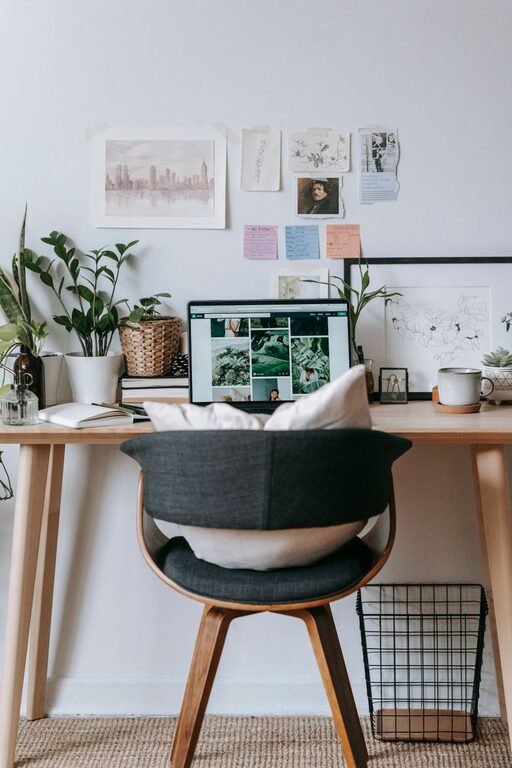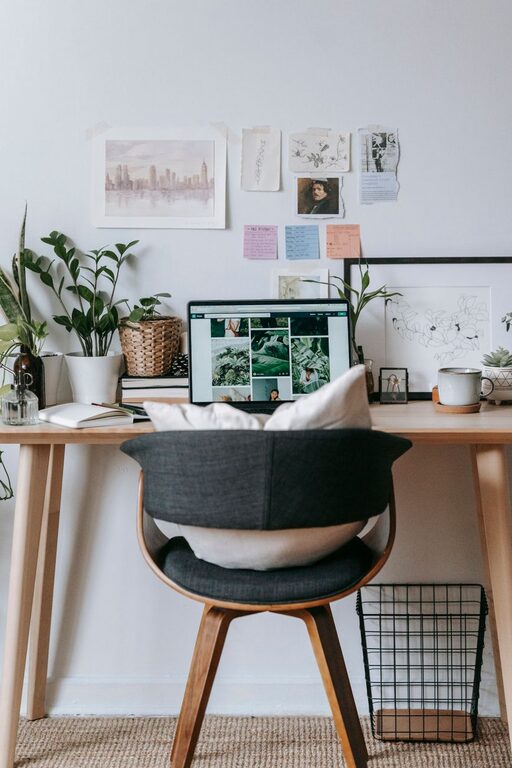




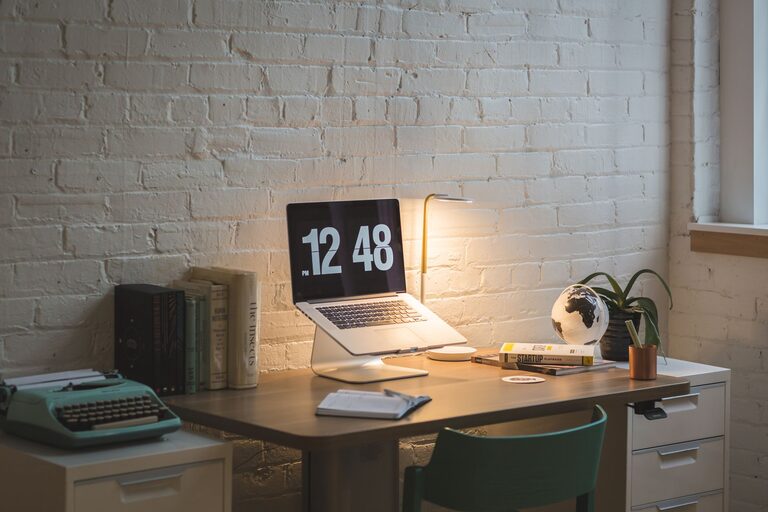
Creating a home office that’s both comfortable and productive is key to successfully working from home. Whether you’re a full-time remote worker or someone who occasionally works from home, an optimized workspace can help you stay focused, reduce stress, and improve your work quality. In this post, we’ll explore practical tips to transform any space into an effective home office.
Choose the Right Location
Consider Natural Light and Quietness
Pick a spot in your home that receives plenty of natural light. Natural light helps improve mood and energy levels throughout the day. Try to avoid low light areas or spaces with constant distractions. A quiet corner or a spare room can often serve as the best setting for focused work.
Avoid High-Traffic Areas
Setting up your office away from busy areas like the kitchen or living room reduces interruptions and noise. If space is limited, consider noise-canceling headphones or room dividers to create a boundary between work and home life.
Invest in Ergonomic Furniture
Choose a Comfortable Chair
An ergonomic chair supports your back and encourages good posture, preventing discomfort during long workdays. Look for adjustable height, lumbar support, and padded seating.
Opt for a Suitable Desk
Pick a desk that fits your available space and supports your work needs. Standing desks or adjustable sit-stand desks are excellent for varying your position and reducing fatigue.
Organize Your Workspace Effectively
Keep Essentials Within Reach
Arrange frequently used items like your computer, phone, and notepads within easy arm’s reach. This minimizes unnecessary movement and saves time.
Declutter Regularly
A tidy workspace promotes focus and reduces stress. Use storage solutions such as shelves, drawers, and desk organizers to keep things in order.
Cable Management
Cables can create a messy look and get in the way. Use clips, sleeves, or under-desk trays to keep cords neat and organized.
Optimize Lighting
Combine Natural and Artificial Light
While natural light is ideal, supplement it with good quality task lighting like desk lamps. Avoid harsh overhead lights and position lamps to eliminate screen glare.
Use Adjustable Lighting
Having lights with dimming options or adjustable brightness lets you customize your environment depending on the time of day and workload.
Personalize Your Office Space
Add Plants
Indoor plants not only enhance the look of your workspace but can also improve air quality and reduce stress.
Decorate with Art or Inspirational Quotes
Personal touches make your workspace feel inviting and motivating. Choose items that inspire creativity and positivity.
Maintain a Comfortable Temperature
Make sure your home office is well-ventilated and maintains a temperature that’s neither too hot nor too cold. A comfortable temperature supports concentration.
Incorporate Technology Wisely
Use a Quality Monitor
A larger or second monitor can improve productivity by giving you more screen space for multitasking.
Invest in a Reliable Internet Connection
A strong internet connection is essential for video calls, cloud access, and uninterrupted work.
Utilize Productivity Tools
Apps that manage time, tasks, and communication can streamline your workflow and minimize distractions.
Set Clear Boundaries
Define Work Hours
Stick to a regular schedule to separate work time from personal time. This balance helps avoid burnout and maintains productivity.
Create a “Start” and “End” Ritual
Simple routines, such as tidying your desk or shutting down your computer, signal the beginning or end of the workday, helping your mind switch gears.
Take Breaks and Move
Schedule Short Breaks
Taking brief breaks every hour refreshes your focus. Stretching or short walks boost circulation and reduce fatigue.
Incorporate Movement
Standing, stretching, or even light exercises during breaks prevents stiffness and supports physical well-being.
Conclusion
Designing a home office that balances comfort and productivity takes some planning but offers great rewards. By considering your workspace location, furniture, lighting, organization, technology, and routines, you can create an environment that supports your best work. Start small, make adjustments as needed, and cultivate a space where you feel motivated and comfortable every day.