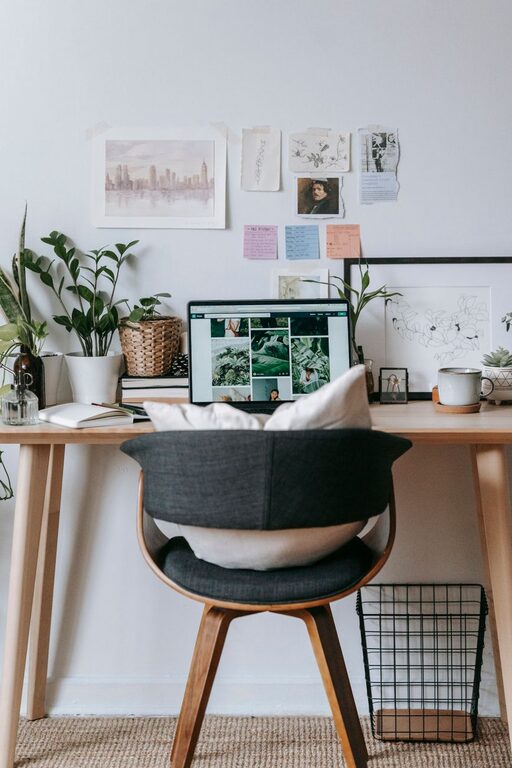




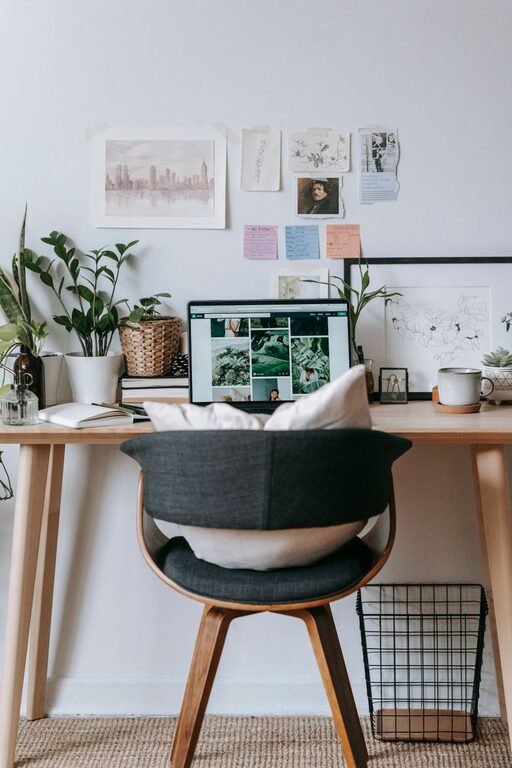
Setting up a home office that feels welcoming and supports your work needs can make a big difference in your day-to-day productivity and comfort. Whether you’re working remotely full-time, freelancing, or just need a quiet spot for occasional tasks, designing a space that blends coziness with functionality is key. In this post, we’ll walk through practical tips to help you create a home office that inspires focus and feels inviting.
Why a Cozy and Functional Office Matters
A comfortable workspace boosts motivation and reduces stress. When your environment supports your work style, you’re more likely to stay organized and tackle tasks efficiently. On the other hand, a cluttered or uncomfortable space can lead to distractions, fatigue, or a lack of enthusiasm. Crafting the right setup doesn’t have to be expensive or complicated — thoughtful choices in lighting, furniture, and decor make all the difference.
1. Choose the Right Location
Your home office should be placed where you can concentrate with minimal interruptions. Here are some ideas:
– Use a quiet corner: Seek a nook away from noisy common areas like the kitchen or living room.
– Near natural light: Position your desk close to a window to benefit from daylight, which can improve mood and reduce eye strain.
– Consider your routine: Choose a spot that fits your daily rhythm and isn’t easily disrupted.
2. Invest in Comfortable, Ergonomic Furniture
Your chair and desk are the foundation of your home office comfort.
– Ergonomic chair: Look for adjustable height, lumbar support, and cushioning to avoid back strain.
– Desk at the right height: Your desk surface should allow your elbows to rest at about a 90-degree angle when typing.
– Standing desk options: Consider a sit-stand desk or use a converter to vary your posture throughout the day.
3. Optimize Lighting
Proper lighting reduces eye fatigue and uplifts your space.
– Combine ambient and task lighting: General ceiling lights paired with a desk lamp provides balanced illumination.
– Choose warm light bulbs for coziness: Bulbs around 2700K create a relaxing atmosphere.
– Avoid glare: Position screens and light sources to prevent reflections or harsh shadows.
4. Organize with Smart Storage
Decluttering keeps your workspace inviting and efficient.
– Use shelves and cabinets: Store books, files, and supplies neatly within reach.
– Desk organizers: Trays, pen holders, and drawer dividers help keep essential items tidy.
– Digital declutter: Manage your computer files to reduce digital distractions.
5. Personalize Your Space
Adding personality can make your office feel like your own sanctuary.
– Add plants: Greenery improves air quality and adds life to your space.
– Artwork and photos: Choose pieces that inspire or calm you.
– Color accents: Use cushions, rugs, or curtains in colors that make you feel positive and focused.
6. Manage Noise and Distractions
Keeping interruptions to a minimum helps maintain concentration.
– Noise-cancelling headphones: Useful when the household is busy or if you work with music or calls.
– White noise machines or apps: Can mask background sounds.
– Set boundaries: Let family members know your work hours to reduce disturbances.
7. Technology Setup
Make sure your digital tools support your workflow.
– Reliable internet: A strong connection is crucial for video calls and online collaboration.
– Ergonomic peripherals: Consider external keyboards and mice to improve comfort.
– Cable management: Use clips or sleeves to keep cords neat and prevent tangling.
8. Keep It Flexible
Your home office needs might change over time.
– Modular furniture: Pieces that can be moved or reconfigured help adapt to new tasks or routines.
– Portable storage: Rolling carts or bins can be easily shifted when needed.
– Adjustable lighting and seating: To accommodate different activities like reading, brainstorming, or computer work.
Final Thoughts
Creating a cozy and functional home office doesn’t require a complete overhaul or a big budget. By focusing on thoughtful details — from light and ergonomics to organization and personalization — you can build a space that supports your productivity and wellbeing. Remember, the goal is to design a place you enjoy spending time in, a spot that feels both efficient and welcoming every day. With these tips in mind, you’re ready to transform your workspace into a home office that works for you.